
Celebrating 15 Years of Specialized Care for Marfan Syndrome
January 29, 2026
February is Marfan Awareness Month, a time to educate communities about this often-undiagnosed condition and celebrate the progress made in treatment and care.
If your child is unusually tall and thin with long fingers, or if your pediatrician has mentioned concerns about a heart murmur, chest deformity, or scoliosis, you may have questions about Marfan syndrome. As Florida's first and most comprehensive Marfan Clinic, Joe DiMaggio Children's Hospital has been providing expert care for families dealing with this complex genetic condition for 15 years.
What is Marfan Syndrome?
Marfan syndrome (MFS) is a genetic connective tissue disorder that affects how the body's tissues hold together. While many people think it simply means being very tall and skinny, the reality is more complex.
The condition can affect multiple body systems, including the heart, blood vessels, bones, joints, and eyes. The most critical concern is aortic root dilation, where the large blood vessel carrying blood from the heart becomes enlarged, much like a balloon. Without proper monitoring and treatment, this can lead to life-threatening complications.
Many people think that if you are very tall and very skinny, you may have Marfan syndrome. That's not actually true. There are specific clinical diagnostic criteria.
How is Marfan Syndrome Diagnosed?
MFS is typically diagnosed during adolescence, between ages 10 and 18, when children experience growth spurts and symptoms become more noticeable. However, diagnosis can happen earlier if there's a family history or more severe manifestations.
Common signs include:
- Skeletal features: Unusually tall height, long and slim fingers, chest deformity (pectus excavatum or carinatum), and severe scoliosis.
- Cardiovascular issues: Aortic root dilation and heart murmurs.
- Eye problems: Lens dislocation, severe myopia (nearsightedness), and vision problems.
- Joint issues: Overly flexible joints and flat feet.
Many children are referred to the clinic after their pediatrician notices these physical characteristics during routine exams. Some families also reach out after researching symptoms online or connecting with the Marfan Foundation, which lists Joe DiMaggio Children's Hospital as Florida's premier center for care.
Why Early Diagnosis of Marfan Syndrome Matters
The main reason doctors care so deeply about identifying MFS is the risk to the heart and blood vessels. If undetected, the aortic dilation can continue increasing and potentially rupture, which can be fatal, and sometimes occurring suddenly in a person's 30s or 40s.
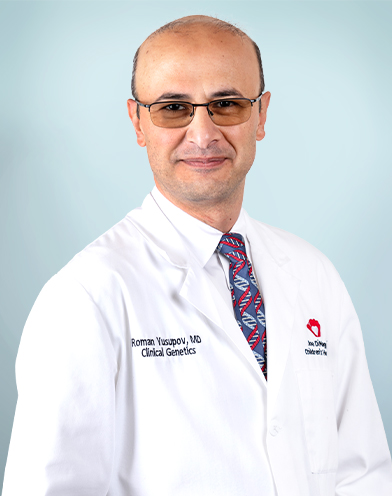
"If undetected, this aortic dilation can start increasing. It can rupture, and you can die suddenly," Dr. Yusupov explains. "That's why we care about Marfan syndrome."
Beyond the cardiac risks, if patients aren’t treated, they may experience cognitive decline and reduced quality of life. Studies show that in the first five years of untreated MFS, there can be significant changes affecting a person's ability to function in daily life.
Comprehensive, Family-Centered Care
What sets Joe DiMaggio Children's Hospital apart is the truly multidisciplinary approach to treating MFS and related connective tissue disorders.
Dr. Yusupov and his team conduct thorough medical and family history reviews, detailed physical examinations, and comprehensive genetic testing. If insurance doesn't cover testing, special grants are available to ensure every family has access.
Pediatric cardiologists perform detailed echocardiograms during each visit to monitor the aorta and heart function. For adult patients, the clinic connects families with experienced adult cardiologists at Memorial Heart and Vascular Institute as needed.
The clinic works closely with pediatric orthopedic specialists for patients experiencing scoliosis and chest deformities. Treatment may include physical therapy, braces, or surgical correction when needed.
When surgical intervention becomes necessary, the clinic's cardiothoracic surgeons provide expert care with excellent outcomes. The team carefully monitors patients to plan surgeries proactively rather than waiting for emergencies.
While ophthalmology specialists aren't part of the hospital system, the clinic maintains strong relationships with local experts who understand MFS's unique eye-related challenges.
The clinic also addresses the emotional and social aspects of living with MFS. Genetic counselors provide ongoing support, help families understand the condition, and connect them with accurate information and resources.
Most importantly, we provide parents with accurate information about the conditions, so they’re not misinformed when they go on different social media channels or Facebook groups that have inaccurate information.
Not Just Marfan Syndrome
While MFS accounts for approximately 60% of patients, the clinic treats several related connective tissue disorders:
- Loeys-Dietz Syndrome (20% of patients): A more severe condition that can affect blood vessels throughout the body, from head to toe.
- Ehlers-Danlos Syndrome (10% of patients): Another connective tissue disorder with its own unique challenges.
- Other rare genetic conditions: Includes patients with aortic root dilation without a specific genetic diagnosis.
"It was opened as a Marfan clinic, but genetic science is evolving, learning about new things, discovering new genes," Dr. Yusupov notes. "So, there are several other connective tissue disorders that we treat."
How to Access Care to the Marfan Syndrome Clinic?
Getting started with the Marfan Clinic is straightforward:
For Families
- Contact Pediatric Cardiology at Joe DiMaggio Children's Hospital to request an appointment
- Schedule online through the hospital's website
- Self-refer if you suspect your child may have MFS
For Referring Physicians
- Pediatricians, cardiologists, orthopedists, and other specialists can refer patients directly
- The clinic accepts referrals for suspected MFS or any connective tissue disorder
- Patients with isolated aortic root dilation are also welcome for evaluation
Insurance and Financial Support
- Most insurance plans cover services, including genetic testing
- Letters of medical necessity can be written when needed
- Special grants may be available for genetic testing if insurance doesn't cover it
- The clinic works with families to ensure access regardless of financial circumstances
What to Expect at Your First Clinic Visit
Initial appointments at the Marfan Clinic are comprehensive, typically lasting about two hours. Here's what families can expect:
- Detailed History: Discussion of medical history, family history, and current symptoms.
- Physical Examination: Thorough assessment looking for characteristic features.
- Echocardiogram: A 45-minute to one-hour cardiac ultrasound to evaluate the heart and aorta.
- Genetic Testing: If the diagnosis is uncertain, testing helps confirm Marfan syndrome or related conditions.
- Treatment Planning: Discussion of medications, lifestyle modifications, and follow-up care.
The clinic schedules 5-8 patients (both new and follow-up, pediatric and adult) each month, with appointments available on Fridays. Due to the thorough nature of each visit, there may be a waiting period, though the clinic can often see urgent cases through its regular genetics clinic.
Marfan Syndrome Treatment Approaches and Medications
For patients who don't require surgery, medication management is a lifelong commitment. Two main classes of medications help control aortic dilation:
- Beta blockers (i.e., Metoprolol): Helps decrease blood pressure and reduce stress on the aorta.
- ARB inhibitors (i.e., Losartan): Works on the aorta's muscles to prevent excessive stretching.
"With appropriate management, the lifespan can be normal, especially if you control the heart problems," Dr. Yusupov emphasizes.
However, even with medication, some patients eventually need surgery.
The good news? Surgical outcomes at Joe DiMaggio Children's Hospital are excellent, with no poor outcomes in cardiac cases. The clinic has even successfully managed patients requiring heart transplantation.
Living with Marfan Syndrome
While lifestyle adjustments are necessary, they're designed to protect patients' long-term health. High-intensity, competitive sports may not be recommended for those with significant aortic dilation due to the increased strain on the heart.
There have been cases of college athletes whose careers ended after a MFS diagnosis. A difficult reality, but one that potentially saves lives. However, Dr. Yusupov remains optimistic about the future.
"We are working on new techniques, and it will not surprise me that in three to five years, maybe gene therapy will be available, and then it's one infusion after the diagnosis.”
For many patients, the bigger challenge isn't physical limitations but self-image, particularly for adolescents who may look different from their peers due to skeletal features. This is where the clinic's community support becomes invaluable.
Building Community: The Annual Marfan Walk
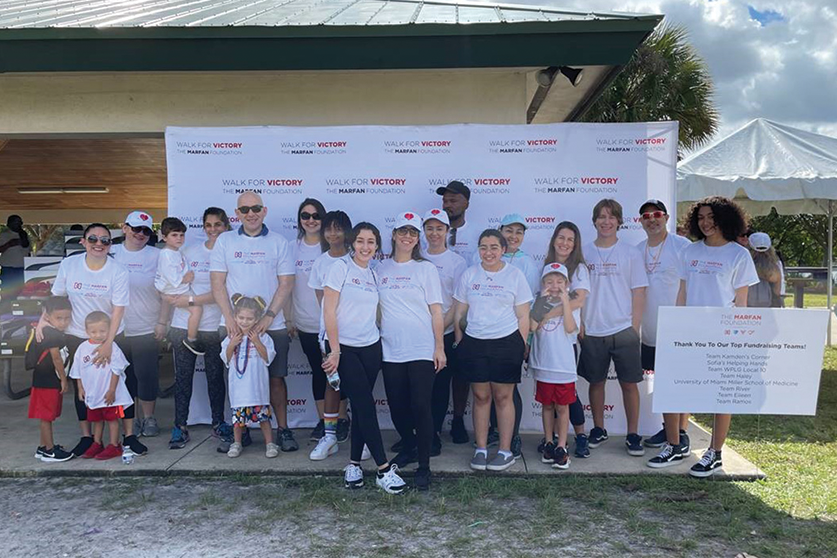
Every February, the clinic hosts an annual Marfan Walk at T.Y. Park in Hollywood, FL, bringing together patients, families, physicians, and specialists for a day of education, activities, and connection.
"Pediatric patients get to meet other patients and make friends because sometimes they look different based on their appearance, and they may not understand exactly what it means," Dr. Yusupov explains. "But when they see other patients, it makes them feel a little bit more comfortable. They understand that it's actually a very common condition."
These gatherings help families realize they're not alone and provide opportunities to learn from others' experiences.
2026 Marfan Foundation Walk for Victory
South Florida Walk for Victory
T.Y. Park, Hollywood, FL | February 1, 2026
Treating Whole Families
One unique aspect of the clinic is its patient- and family-centered approach. Since MFS is genetic, about 10-15% of patients come from families where a parent or sibling also has the condition.
"We can actually identify even in the newborn period when the patient doesn't even have any manifestation yet, but there is a family history," says Dr. Yusupov. "We can do targeted genetic testing and tell the parents if the child is at risk for Marfan syndrome or not, to give them peace of mind."
The clinic has even helped with prenatal care, working with maternal-fetal medicine specialists to manage pregnant mothers with MFS and performing genetic testing through amniocentesis when requested.
Dr. Yusupov shares that he's frequently surprised to diagnose MFS in parents when they bring their children in.
Very frequently, we had situations when a patient was referred to our clinic, and I would take a look at one of the parents. I'm like, 'Did you ever have a genetic evaluation because you also have similar problems?' They say, 'No, I know I have a heart murmur, scoliosis, I wear thick glasses, but nobody suspected it.'
Research and Innovation
The clinic participates in collaborative research with other institutions, studying outcomes and advancing understanding of these conditions. Current research includes examining unique families where both parents have MFS, studying whether the severity differs based on which parent passes on the genetic mutation.
15 Years of Excellence
Since opening in 2012, the clinic has achieved remarkable milestones:
- Performed Florida's first symposium on MFS in 2016
- Participated in national Marfan Foundation conferences as expert evaluators
- Multiple interviews on news programs educating the community about MFS
- Built a reputation that attracts families from across the state and nation
With advances in medical research and potential gene therapies on the horizon, the future looks increasingly bright for children diagnosed with MFS and other related connective tissue disorders.
Success Stories That Matter
What Dr. Yusupov treasures most are the personal connections and life-changing impacts.
"If you would come to my office, especially the last few weeks [of the year], I have a lot of Christmas cards, other cards, and presents from these families. It really touches me," he shares. "Some of the amazing stories of how we saved families from some catastrophic events, or how we changed the course of treatment for specific patients and their loved ones. I can write a book about it, and maybe one day I will."
These stories include patients who've undergone successful surgeries, families who discovered diagnoses that saved lives, and children who've grown up with proper management and now live full, active lives.
The clinic has also helped with dramatic interventions, from preventing catastrophic aortic ruptures through early detection to successfully managing complex cases involving multiple body systems. One patient even required and successfully received a heart transplant, demonstrating the clinic's ability to handle the most challenging situations.
As the clinic celebrates 15 years of service, Dr. Yusupov remains committed to expanding care and advancing understanding of connective tissue disorders. The clinic continues to evolve, recently adding Stickler syndrome (another connective tissue disorder presenting with cleft palate) to its specialties, with guidance sought by the national Marfan Foundation.
To schedule an appointment or learn more about genetic testing and counseling, call:
954-265-6319Related Providers
-


 Kak-Chen Chan, MD Pediatric Interventional Cardiology
 -
 Michael Jofe, MD Pediatric Orthopedic Surgery
 -
 Oliver Lao, MD Pediatric General Surgery, Pediatric Surgery
 -
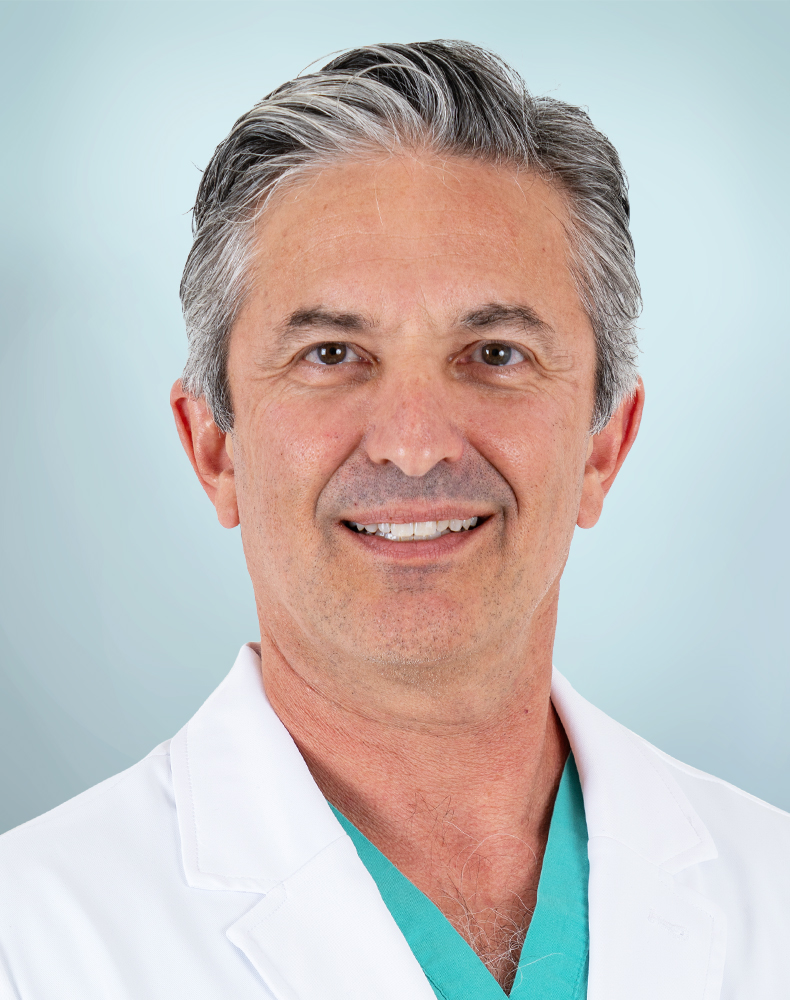 Frank Scholl, MD Pediatric Cardiac Surgery, Congenital Heart Surgery
 -
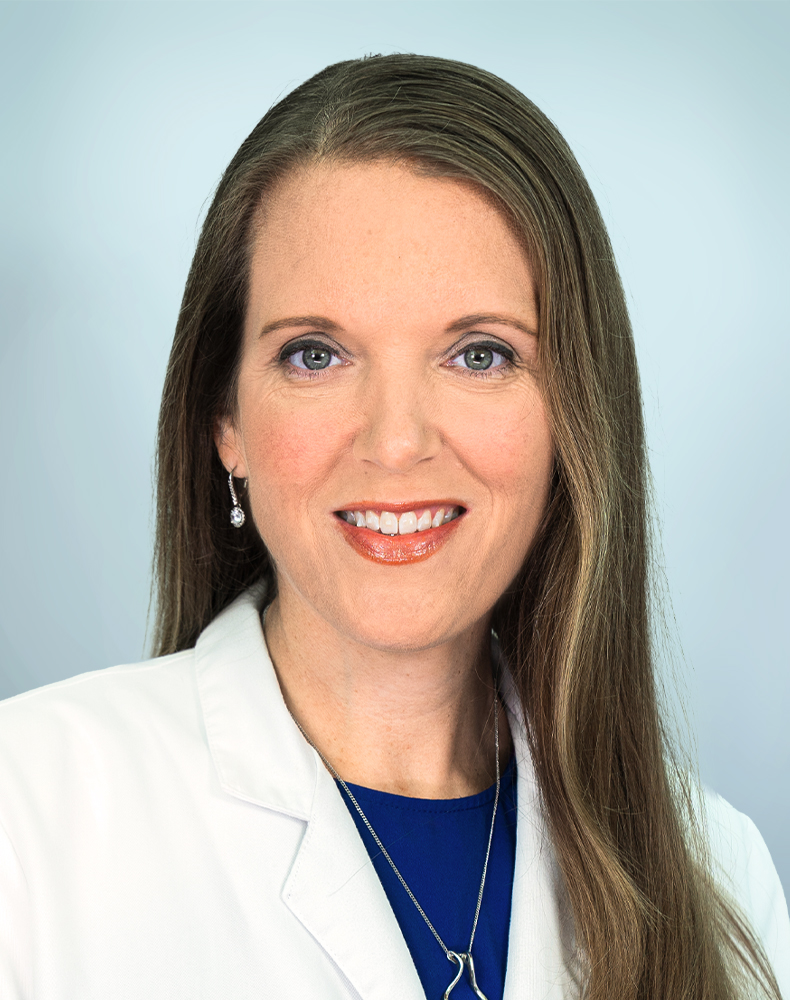 Jill Whitehouse, MD Pediatric General Surgery, Pediatric Surgery
 -
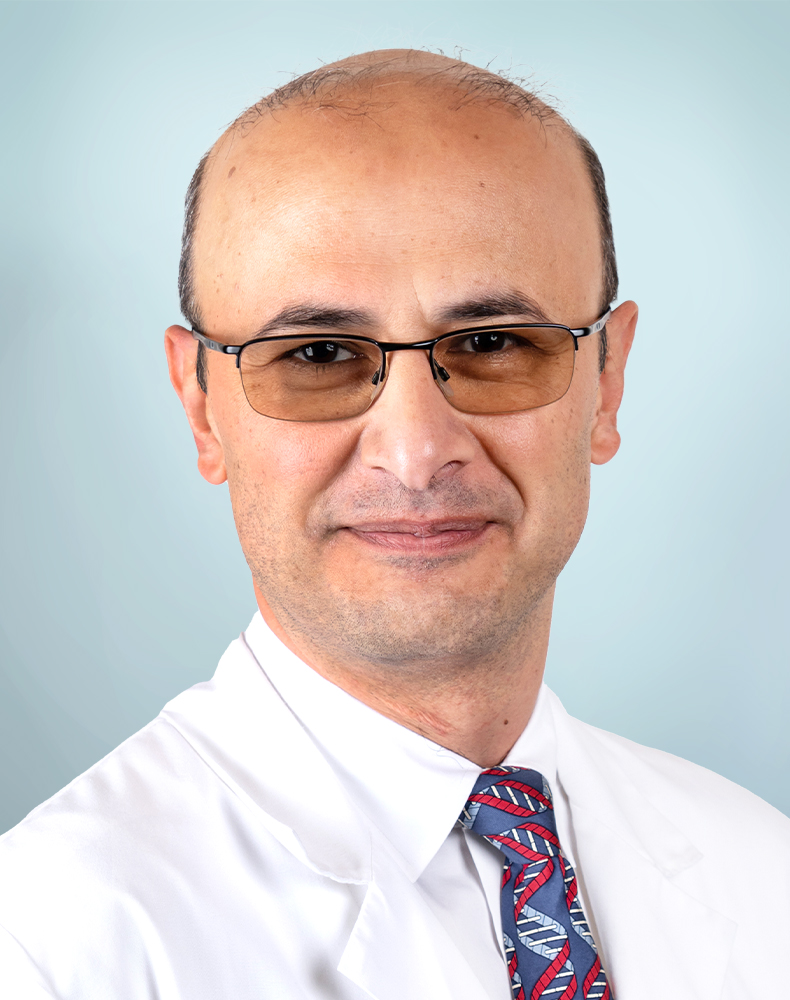 Roman Yusupov, MD Pediatric Genetics, Pediatric Cleft and Cranio-Facial


