
Pediatric 22q Multidisciplinary Clinic
The Pediatric 22q Multidisciplinary Clinic cares for children 22q11.2 deletion syndrome.
Having a child with 22q11.2 deletion syndrome can feel overwhelming. Your child may face multiple health challenges, requiring care from different specialists at one time. Our team is here to help you understand next steps and coordinate your child’s care.
Multidisciplinary Care for Children With 22q11.2 Deletion Syndrome
The Pediatric 22q Multidisciplinary Clinic at Joe DiMaggio Children's Hospital was the first 22q clinic of its kind in Florida. We provide patient- and family-centered, comprehensive and individualized care to children with 22q11.2 deletion syndrome, also known as DiGeorge Syndrome or Velocardiofacial Syndrome, 22q11.2 duplication syndrome and other chromosome 22 differences.
Our multidisciplinary team meets with you and your child in one location so you don't have to juggle appointments with multiple specialists in different locations. Plus, our child life specialists use therapeutic play, music and creative activities to make visits enriching and enjoyable.
Care for 22q doesn’t end when your child turns 18. As they age, they can transition to our Adult 22q Multidisciplinary Clinic, where they can continue receiving care within the same multidisciplinary program.
Our Comprehensive Team Approach
Two individuals with a 22q11.2 deletion syndrome diagnosis can have vastly different symptoms. Your child’s team works together to tailor a care plan to their individual needs.
Our specialists can help children with 22q who experience symptoms affecting their:
- Growth and development: Feeding difficulties, developmental delays, learning disabilities, scoliosis and other skeletal differences can affect children with 22q.
- Hearing: Problems with hearing, including hearing loss, are common in children diagnosed with 22q.
- Heart: Congenital heart disease is common with 22q.
- Hormones: Smaller than normal parathyroid glands can cause low calcium levels, which may lead to seizures. Thyroid issues can also develop and become more common with age.
- Immune system: Children with 22q may experience recurrent sinus, ear, and respiratory infections. They also have a higher risk of developing an autoimmune disorder.
- Kidneys: Congenital kidney differences occur in nearly 3 out of 10 people diagnosed with 22q deletion syndrome.
- Mental health: Children diagnosed with 22q may have a higher risk of attention difficulties, hyperactivity, and other behavioral health challenges.
- Palate and speech: Cleft palate can cause speech and language problems in children with 22q11.2 deletion syndrome.
What to Expect During Clinic Visits
Our specialists meet with children on the third Wednesday afternoon of every month at:
Joe DiMaggio Children's Hospital Outpatient Specialty Center
1131 N. 35th Avenue, 2nd Floor
Hollywood, FL 33021
When you and your child visit our multidisciplinary 22q clinic, you can expect the following:
- Arrival (12 pm): Our front desk team greets you, and our nurses check your child in and settle your family into a private room.
- Meet the specialists: For the next three to four hours, specialists visit your child one at a time. Most children will see around six providers, depending on their needs.
- Head home: Once your child has met with their scheduled providers, your family is free to leave.
- Team rounds (4 pm): Care continues beyond your child’s appointment time. After clinic, our team meets to discuss your child’s needs and develop a coordinated care plan.
- Receive your care plan: Your family will receive a letter with our team’s recommendations to share with your child’s doctors outside of our clinic.
Our team also makes referrals to other specialists as needed.
Pediatric 22q Clinic FAQs
22q11.2 deletion syndrome, also known as DiGeorge syndrome or velocardiofacial syndrome, is a congenital disorder (present at birth). According to the 22q11.2 Society, it occurs in approximately one out of every 2,000 live births. 22q happens when a small piece of chromosome 22 is missing, called a microdeletion. This microdeletion contains around 50 genes, all of which affect the development of organs and body systems. Adults with 22q benefit from regular follow-up care because health conditions associated with the syndrome can emerge or change over time.
When chromosome 22 differences occur, children can experience a range of lifelong health issues, including:
- Endocrine (hormone) disorders
- Gastrointestinal issues
- Heart problems
- Immune system problems
- Kidney differences
- Learning and behavioral challenges
- Mental health conditions
- Palate (roof of the mouth) and speech differences
Because 22q symptoms can range in type and severity, people are often diagnosed at different stages in their lives. Sometimes, providers discover 22q shortly after birth when obvious health issues, such as a heart defect or cleft palate, are found. Other times, children may experience speech delays or recurring infections for years—even until adulthood—before a diagnosis surfaces.
Genetic testing, often using a blood sample, can identify the chromosome 22 deletion.
Your child’s health needs will determine which pediatric specialists they see. Our core team includes:
- Behavioral health specialists
- Cardiologists
- Ear, nose and throat specialists
- Endocrinologists
- Gastroenterologists
- Geneticists and genetic counselors
- Immunologists
- Nephrologists (kidneys)
- Nutritionists
- Rheumatologists
- Social workers
- Speech pathologists
If your child is currently in our pediatric 22q clinic, they may transition to our Adult 22q Multidisciplinary Clinic as they approach age 18.
Our pediatric and adult clinics belong to the same 22q program, so your child’s records, history and some familiar specialists will transition with you. Once your child enters their teen years, you can begin discussing transitioning care with your child’s care team.
Visit these resources to learn more about 22q, connect with others and find support services.
- Florida Conquers 22q: This organization connects Florida residents with 22q-specific education, support, resources and advocacy opportunities.
- Immune Deficiency Foundation: This foundation educates people with 22q about the immune system complications that can occur.
- International 22q11.2 Foundation: The International 22q11.2 Foundation provides educational materials, support networks and community connections.
- 22q Family Foundation: The 22q Family Foundation offers family-focused education, resources and support.
- 22q11.2 Society: The 22q11.2 Society is the international professional society for 22q.
Contact Us
If your child has been diagnosed with 22q11.2 deletion syndrome, call 954-265-2271 to learn more about our Pediatric 22q Multidisciplinary Clinic.
Refer Children to Our Pediatric 22q Multidisciplinary Clinic
We welcome patient referrals from pediatricians and providers caring for children with confirmed or suspected 22q11.2 deletion syndrome.
Why Choose Us for Pediatric 22q Deletion Syndrome Care?
-

First of its kind: We offer Florida’s first Pediatric 22q Multidisciplinary Clinic, where children receive comprehensive, coordinated care.
-

Care across the lifespan: Children with 22q11.2 deletion syndrome can continue receiving care into adulthood through our Adult 22q Multidisciplinary Clinic.
-

Access to 22q specialists: Our core team consists of pediatric cardiologists, immunologists, endocrinologists and other specialists.
-

Advancing care nationwide: Our team advances care for 22q across the nation by maintaining leadership and advisory roles within the 22q11.2 Society’s Network of the Americas.
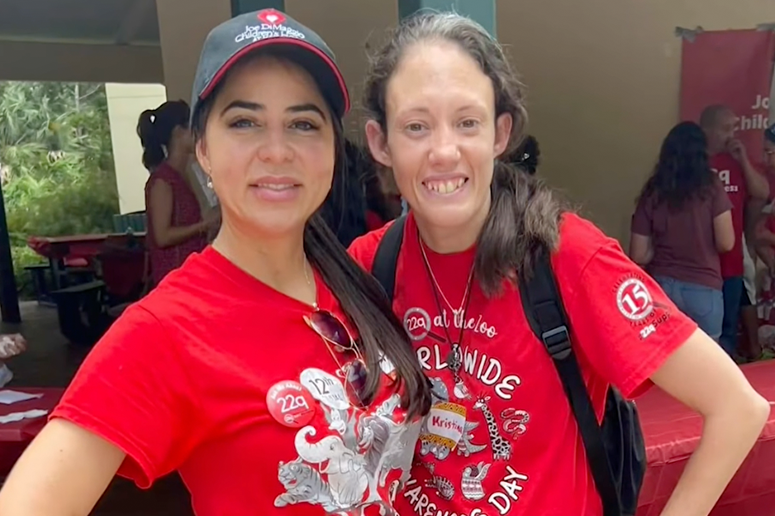
How Kristina Found Care at 22q Adult Clinic
Learn about Kristina’s journey from diagnosis at 15 with 22q deletion syndrome at Joe DiMaggio Children's Hospital to transitioning to adult care at Memorial Healthcare System's Adult 22q Clinic.
It matters to you. It matters to us.
Joe DiMaggio Children's Hospital Quality and Safety
See our hospital's patient satisfaction numbers, number of patients and more.
View Quality and SafetyYou have a Right to Know About Prices
We want to give you the information you need to make important healthcare decisions, including the costs of our services.
View PricingMyChart Portal
View test results, schedule follow-up appointments, request prescription refills and more.
Login or Sign-up to MyChart