
How to Prevent eBike and eScooter Injuries
April 13, 2026
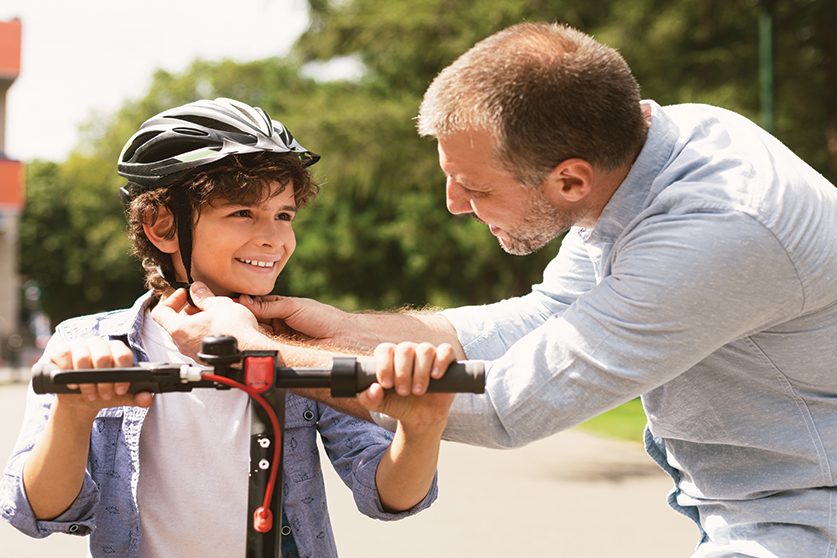
Electric bikes (e-bikes) and electric scooters (e-scooters) are everywhere. From neighborhood streets to daily commutes, for many people, they’ve quickly become part of everyday life. But doctors at Memorial Healthcare System say a troubling trend is emerging: a sharp rise in serious injuries affecting riders of all ages.
New data shows a 178% increase in e-bike and e-scooter-related injuries from 2024 to 2025, with cases continuing into 2026. And these aren’t minor accidents.
“These are not toys,” said Oliver Lao, MD, medical director of Pediatric Trauma at Joe DiMaggio Children’s Hospital. “These are motorized vehicles capable of significant speed, and when something goes wrong, the consequences can be devastating.”
E-bikes and E-Scooters Can Cause Serious Injuries
The cases included in this data are not routine ER visits. They are trauma alerts, meaning EMS identified these patients as having serious and potentially life-threatening injuries before they even arrived at the hospital. Doctors are seeing:
- Head trauma and skull fractures
- Lacerations and significant bleeding
- Broken bones and orthopedic injuries
- Some injuries with long-term complications
Many of these injuries, experts say, could have been prevented with simple safety measures.
E-bike and E-Scooter Injuries Span All Ages, But Adults Make Up the Majority
One of the most important takeaways: this is not just a youth issue.
In 2025, 44% of injuries involved patients under 18, meaning the majority of injuries occurred in adults.
At the same time, younger riders are still a growing concern. Among pediatric patients, more than half of injuries involved children ages 12 to 15, highlighting the risks for middle school and early high school riders.
Patients treated have ranged from toddlers to adults in their 80s, showing just how widespread the issue has become.
“We’re seeing a rise in injuries across all age groups, including younger riders, which increases the risk for serious outcomes,” said Rachele Solomon, trauma injury prevention coordinator at Memorial Healthcare System. “These devices are faster and more powerful than many people realize, and safety behaviors simply aren’t keeping up.”
Learn more about Injury Prevention resources.
Why eBike and eScooter Injuries Are Increasing
Doctors and injury prevention experts point to several factors driving the surge:
- E-bikes are widely available and easy to purchase online.
- Many models can reach high speeds or be modified to go faster.
- Riders are using them for everyday transportation, including commuting to work or school.
- Safety awareness hasn’t kept pace with how quickly they’ve become popular.
The Helmet Problem
One of the biggest and most preventable risks is helmet use.
According to the American College of Surgeons, helmets can reduce head injuries by 48% and serious head injuries by 60%. Yet most injured riders aren’t wearing one. In fact, 82% of injured riders treated at Memorial in 2025 were not wearing helmets.
“We know helmets save lives, but not all helmets are created equal,” Dr. Lao said. “Some of these devices exceed speeds that standard bike helmets are designed for.”
Experts recommend choosing helmets designed for higher speeds, such as those meeting NTA 8776 standards or rated above 15 mph.
E-Bike and E-Scooter Safety Tips for Riders
Medical experts stress that prevention starts with awareness, proper equipment, and understanding the risks.
E-bikes and e-scooters are not recreational toys; they are motorized vehicles that require judgment, coordination, and awareness of traffic.
Here’s what riders can do to prevent injuries:
- Know your device: Understand its speed and power, and that some can be modified to go faster.
- Wear the right helmet: Choose a properly fitted helmet designed for higher-speed devices.
- Follow the rules of the road: Ride predictably, obey traffic laws, and avoid distractions like phones or headphones.
- Understand your local laws: Regulations vary by city, but in Florida:
- Riders under 16 are required to wear helmets.
- Violations can impact future driving privileges.
For families with younger riders, make sure children are developmentally ready, supervised, and following clear safety rules.
“This is a rapidly evolving transportation trend, and safety awareness is still catching up,” Solomon said. “Doctors, safety experts, and communities are working to reduce injuries, but the most immediate impact comes from awareness and prevention.”
Her advice is simple: Know the rules. Ride predictably. And most importantly, no helmet, no ride.
Visit one of Urgent Care Centers or Pediatric ERs.
"[eBikes and eScooters] are not toys. These are motorized vehicles capable of significant speed, and when something goes wrong, the consequences can be devastating.
eBike and eScooter Safety Tips
If you or a loved one rides an eBike or eScooter, learn how to prevent injury with simple safety precautions.


