
How to Talk to Your Child About Epilepsy?
February 23, 2026


Life changes when your child is diagnosed with epilepsy. Your world may now include managing medications, appointments, and concerns about your child’s health and future. It’s natural to feel overwhelmed.
You also play a role in helping your child learn how to live with epilepsy. “With steady guidance, children can learn to avoid seizure triggers, recognize warning signs, and be active,” says Syndi Seinfeld, DO, medical director of the Epilepsy Program-Pediatric Neurology at Joe DiMaggio Children’s Hospital. “The process starts with sharing the facts and giving them space to ask questions.”
To help you get started, Dr. Seinfeld offers the following strategies.
Give Your Child the Information They Need
Talking to kids about chronic illnesses can be challenging. Many parents want to protect their child from worry or fear. Children are incredibly perceptive. Even very young children sense when something is “off.” When adults avoid the topic, children often fill in the blanks with their imagination – and imagination without facts can create more anxiety than reality.
Start by being honest about epilepsy and what it means for your child, especially when it comes to seizures. Use simple language they can understand. Avoid complex medical terms and scenarios that might confuse or frighten them. You can always share more information as your child grows.
Always Be Available for Questions
Children are naturally curious, and their questions may come up at unexpected times. Let your child know they can talk to you whenever something is on their mind.
If you don’t know the answer to a question, it’s okay to say so and get back to them. Following through builds trust and shows your child that their concerns matter.
Maintain a Positive Attitude
Your child takes emotional cues from you. “Model the behavior you want your child to copy,” says Dr. Seinfeld. “A positive attitude can shape how a child views their condition.”
When it comes to activities, focus on what your child can do rather than what they can’t. Many children can safely participate in activities approved by their care team.Also, avoid negative statements that could make your child feel like a burden. Children should never feel that epilepsy is their fault or that they’re causing stress for their family.
Encourage Self-Reliance
When your child is ready, help them understand the part they play in their own health. Learning how to care for themselves builds confidence and a sense of control.
A good place to start is to have your child help identify seizure triggers and avoid them when possible. Triggers vary, but common ones include:
- Missing medication
- Not getting enough sleep
- Stress
- Flashing lights (in photo-sensitive epilepsies)
Older children and teens can take on more responsibility, such as remembering to take their medication. It’s also important to talk about healthy habits, such as good sleep, balanced nutrition, exercise, and avoiding substances such as tobacco, alcohol, and drugs.
Provide Support and Reassurance
At a time when kids want to fit in, having epilepsy can make them feel different or isolated. Let your child know they aren’t alone, and there’s nothing to be ashamed of. Some children benefit from talking with a mental health professional or connecting with other kids who have epilepsy.
Your child may also need reassurance that you and their care team are doing everything possible to manage their condition. With treatment, many children have few or no seizures. If a seizure does happen, your child should know the plan that’s in place. Knowing what to expect can help them feel safer.
“A seizure plan includes important medical information and steps to keep a child safe during a seizure,” says Dr. Seinfeld. “Sharing this plan with other adults in your child’s life helps ensure they know how to help.”
Keep the Conversation Going
Your child’s needs will change as they grow. Some children outgrow epilepsy, while others will transition to adult care. Continuing the conversation over time helps your child build the practical and emotional skills they need to manage their health with confidence.


Related Providers
-
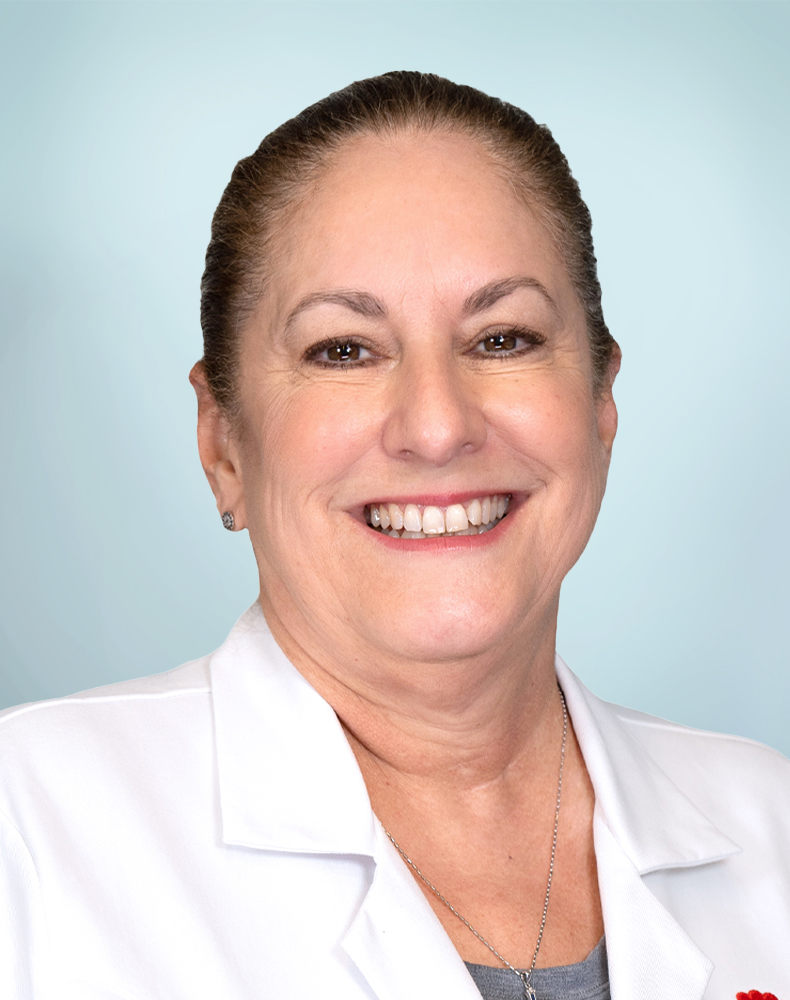

 Diana Martinez, MD Pediatric Neurology
 -
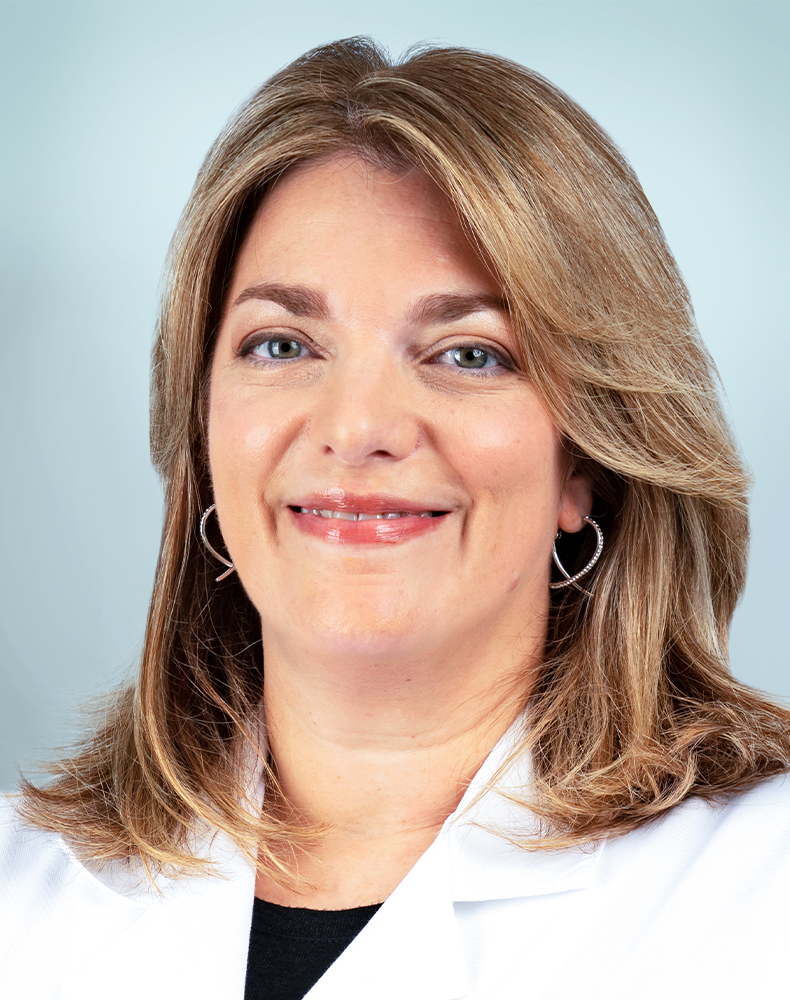 Syndi Seinfeld, DO Pediatric Epilepsy, Pediatric Neurology
