
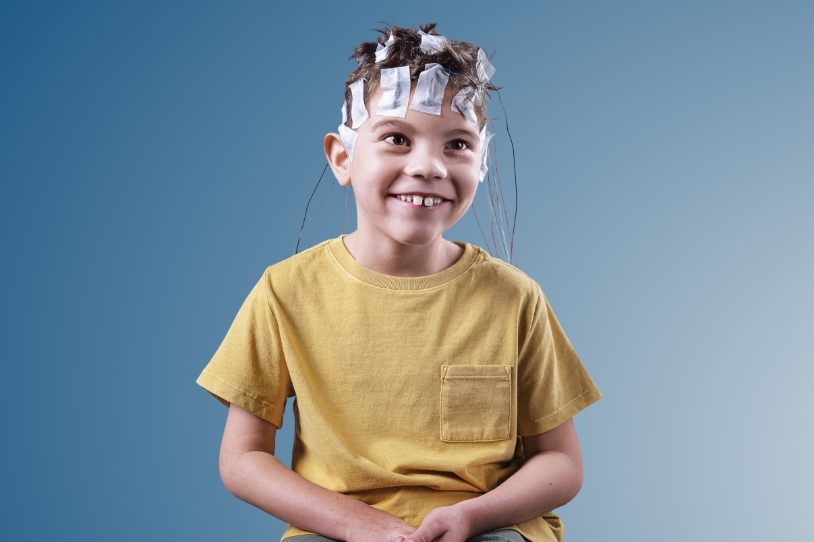
We've Got Nerve
At Joe DiMaggio Children’s Hospital, we’ve got the nerve to take on the most complex pediatric neurosurgical conditions with skill, innovation, and heart. From newborns to young adults, our specialists provide expert evaluation and advanced surgical care using the latest technology, all delivered through a child- and family-centered approach. Families can trust our team to provide safe, effective treatment and compassionate support every step of the way.

Real Stories. Real Nerve. Real Recovery
To make an appointment or learn about our neurosurgery services, call:
754-547-4640We’ve Got the Spine, Brain, and NERVE to Treat Childhood Conditions
A Chiari malformation occurs when part of your child’s brain tissue (cerebral tousles) extends into their spinal canal. It’s caused when the lower back part of the skull is too small causing the tousles to compress the brain stem and spinal cord. Surgery can be curative or dramatically reduce symptoms, including headaches, balance problems, choking and gagging.
Our neurosurgeons can correct or minimize mild to severe deformities that affect a child’s skull. Examples include plagiocephaly, skull flattening and craniosynostosis.
In some children with epilepsy, a specific area of the brain causes seizures. Surgical interventions can cure the condition or reduce the number or intensity of seizures. We may recommend cutting away the brain tissue that’s causing seizures or using a laser to destroy it.
Another procedure for epilepsy is vagus nerve stimulation. We implant a device under the skin in the left chest and connect it to the vagus nerve in the neck. The device sends mild electrical impulses through the nerve. The impulses can reduce the abnormal electrical signals responsible for seizures.
This condition is caused by abnormal fluid buildup deep within the brain in cavities called ventricles. This fluid buildup puts harmful pressure on brain tissue. Surgical intervention can help control symptoms, reduce pressure and protect the brain.
One method is to place a drainage system under your child’s scalp. A tube called a shunt or catheter takes the fluid away from the brain and into the belly, where it can be naturally absorbed. For example a ventriculoperitoneal shunt (VP shunt). A drainage system called an endoscopic third ventriculostomy (ETV) may have to stay in place for life and may require future surgeries.
Another surgical option for hydrocephalus involves creating a small hole at the base of the brain. This option gives excess fluid a way to escape the brain.
Neurocutaneous disorders are rare, genetic disorders that are present at birth. They can cause tumors to grow on the brain, spinal cord, organs, skin and bones. We have a multispecialty clinic for children with neurocutaneous disorders such as tuberous sclerosis and neurofibromatosis. In addition to neurosurgeons, the team may include neurologists, hematologists/oncologists, cardiologists and nephrologists as needed.
We offer medical and surgical treatments for spasticity that’s present at birth (congenital) and occurs later in life (acquired) through our Spasticity Clinic. They include:
- Baclofen pump: Baclofen is a muscle relaxant to treat spasticity. A surgeon places a small pump under the skin of the abdomen. A thin tube connects the pump to the spine, where the medicine is delivered. A pump can make medication more effective at a lower dose and reduce sleepiness as a side effect. The pump must be refilled every few months and replaced every five to seven years.
- Selective dorsal rhizotomy: This minimally invasive procedure cuts away some sensory nerve fibers in the spine. It can permanently reduce leg spasticity, often improving independent walking.
The neural tube is a structure that forms the early brain and spine in a baby as it grows in the womb. An open neural tube defect also known as Myelomeningocele is a problem with how the brain, spinal cord or spine forms before birth. Spina bifida is the most common type of neural tube defect.
If your obstetrician or neonatal neurologist identifies this type of defect in your unborn baby, surgery before birth may help. We can repair some of these defects or reduce fluid on your baby’s brain (hydrocephalus) by going through the uterus. This surgery can improve outcomes after your baby is born. Our specialists can also repair neural tube defects and treat hydrocephalus after birth. We follow children throughout their lives at our Spina Bifida Clinic.
We follow our brain and spinal cord tumor patients in neuro - oncology clinic with oncologists, neurologists, radiation oncologists, endocrinologists and Physical Medicine and Rehabilitation (PM&R) physicians. We manage tumors with advanced technology including intraoperative MRI scanner or IMRI, gamma knife radiation and proton beam radiation.
Surgery for a brain or spine tumor is often curative. It usually involves a craniotomy, which temporarily removes part of the skull to expose the brain for the procedure. Once we have access to the brain, we can cut out part or all of the tumor. We may also use laser ablation to target and destroy tumor tissue. Then the section of skull is put back into place. This less invasive option is available for some types of tumors.
Brain and Spine Trauma:
We see patients after brain and spine trauma for acute surgery and long term management with surgical options.
Conditions we treat include:
- Herniated disc
- Neck pain
- Spinal stenosis
- Traumatic brain injuries
- Arachnoid Cysts
- Craniosynostosis
- Dermoid Cysts
- Encephaloceles
- Foramen Magnum Stenosis
- Moyamoya
- Myelomeningoceles
- Pituitary Tumors
- Sacral Dimples
- Skull Defects
- Skull Fractures
- Tethered Cord Syndrome
Exceptional Neurosurgical Care for Your Child Close to Home
Expertise in Neurosurgery
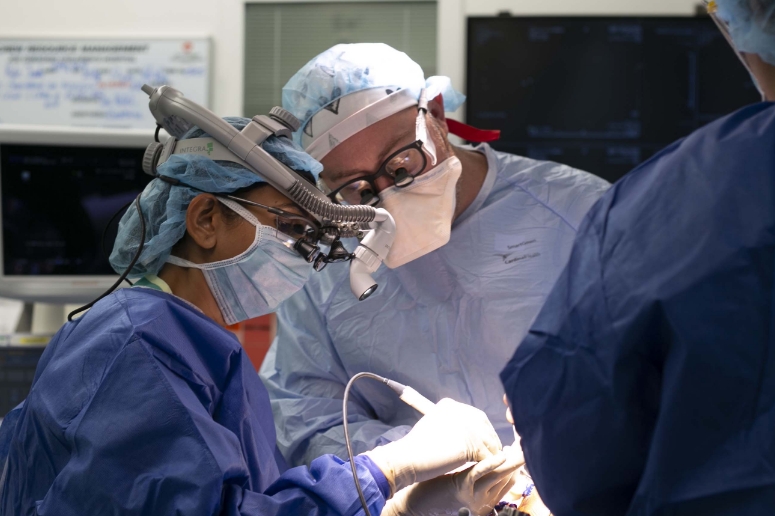
Our pediatric neurosurgery program is led by board-certified, fellowship-trained pediatric neurosurgeons who specialize exclusively in caring for children with brain, spine, and nervous system conditions. Their expertise includes congenital brain abnormalities, brain and spinal tumors, hydrocephalus, Chiari malformations, traumatic injuries, epilepsy surgery, and minimally invasive procedures. With years of advanced training and experience treating rare and complex conditions, our surgeons provide precise, evidence-based care designed to protect developing brains and support long term growth.
Advanced Neurodiagnostic for Accurate, Child-Focused Evaluation
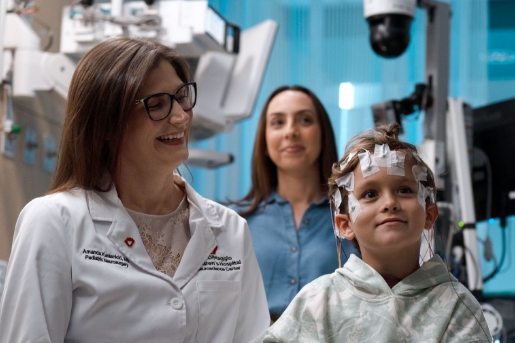
Accurate diagnosis is essential in pediatric neurosurgery, and Joe DiMaggio Children’s Hospital offers a full suite of advanced diagnostic tests designed specifically for children. These include high resolution MRI and CT imaging, functional and intraoperative imaging, neurophysiological monitoring, and specialized evaluations for epilepsy and movement disorders. Our child friendly imaging environments help reduce anxiety and improve accuracy, ensuring that each child receives the safest and most effective diagnostic experience possible.

Comprehensive Patient- and Family-Centered Support
To make an appointment or learn about our neurosurgery services, call:
754-547-4640
A Tour Of Our IMRI Interoperative Suite at Joe DiMaggio Children's Hospital
Award Winning patient- and family-centered care


Patient Stories


Pediatric Neurosurgery Care
-
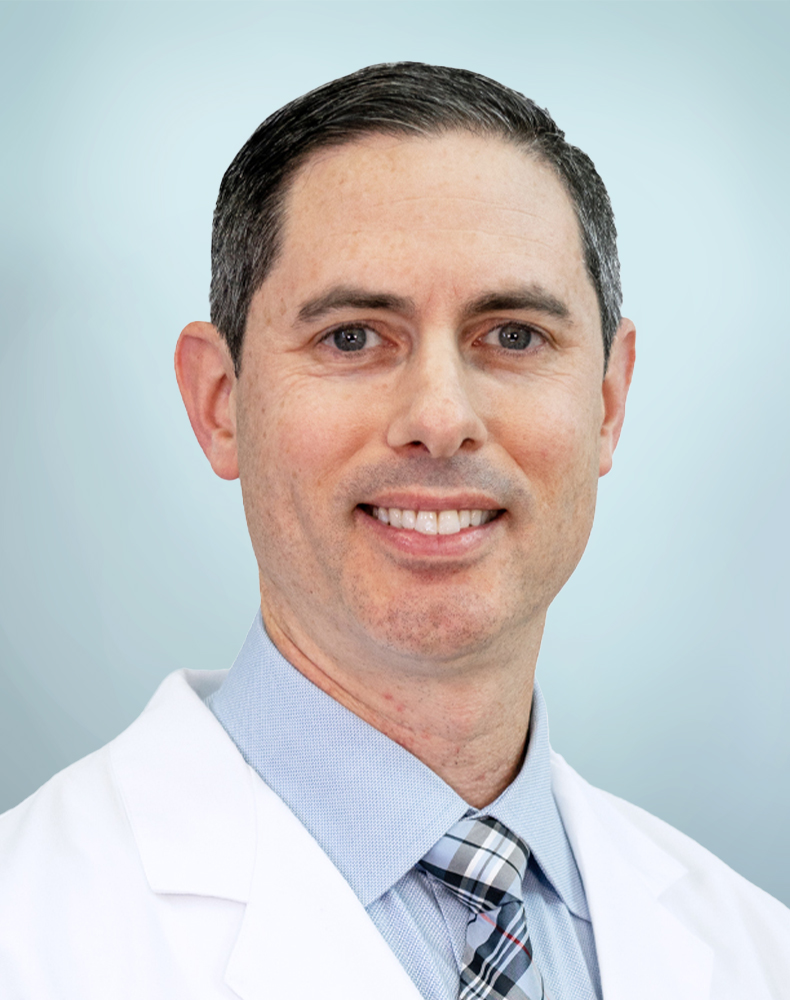

 Laurence Davidson, MD Pediatric Neurosurgery
 -
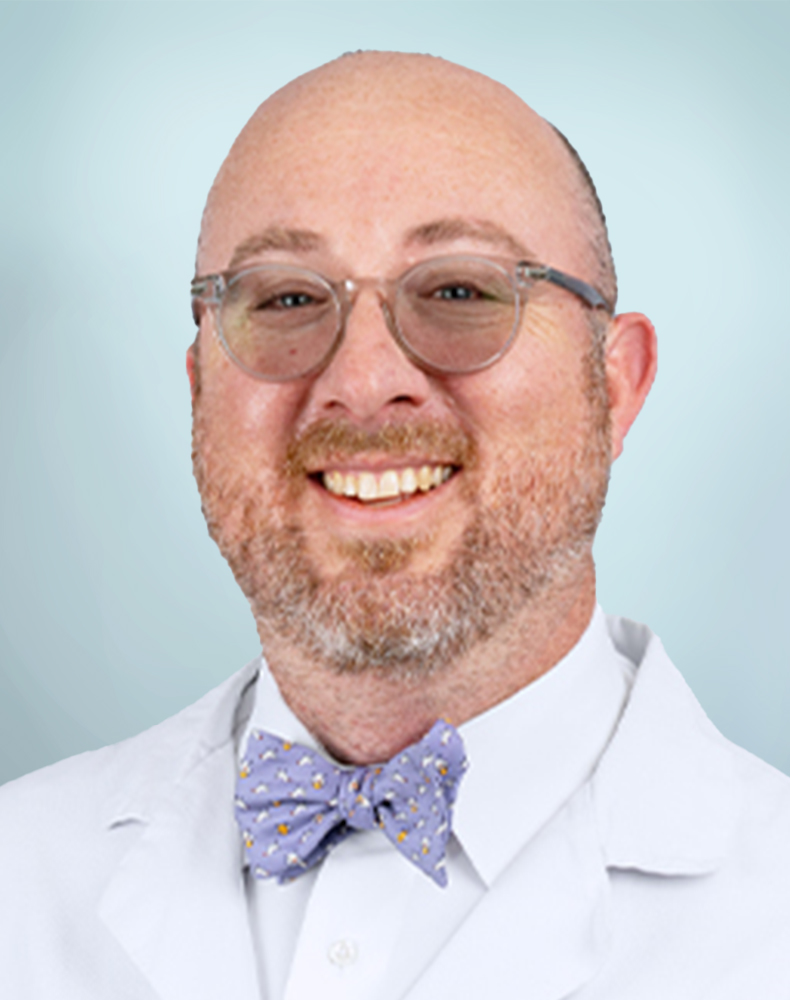 Dean Hertzler, MD Pediatric Neurosurgery, Pediatric Cleft and Cranio-Facial
 -
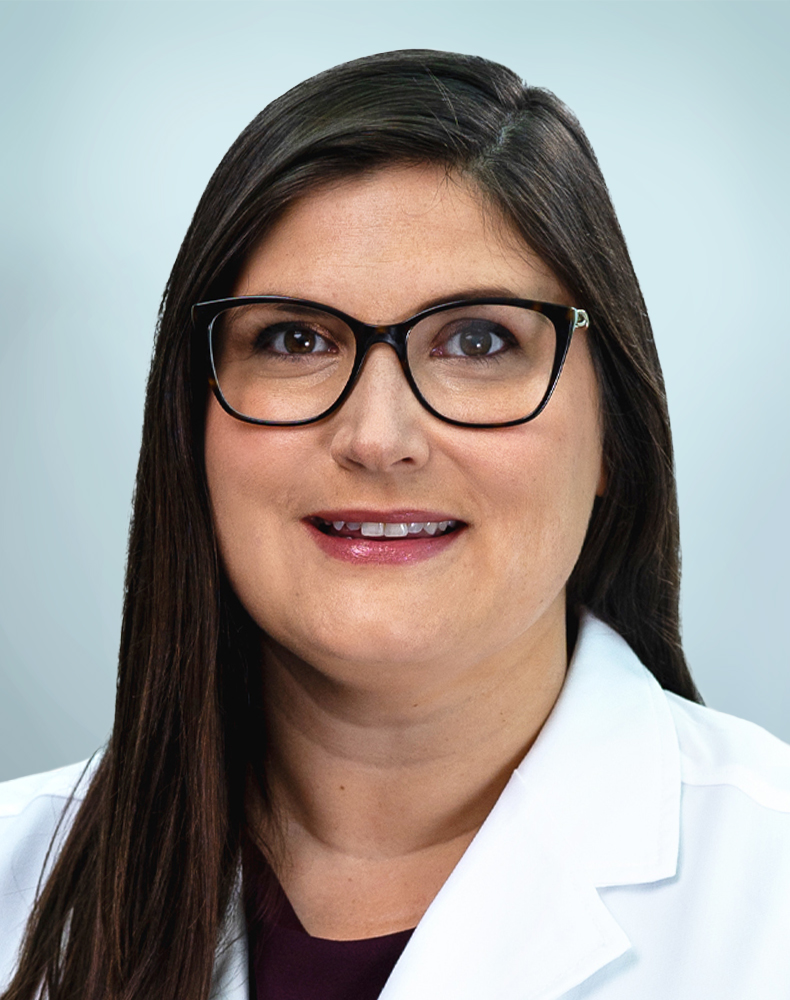 Amanda Kwasnicki, MD Pediatric Neurosurgery
Pediatric Neuro-Interventional Care
-
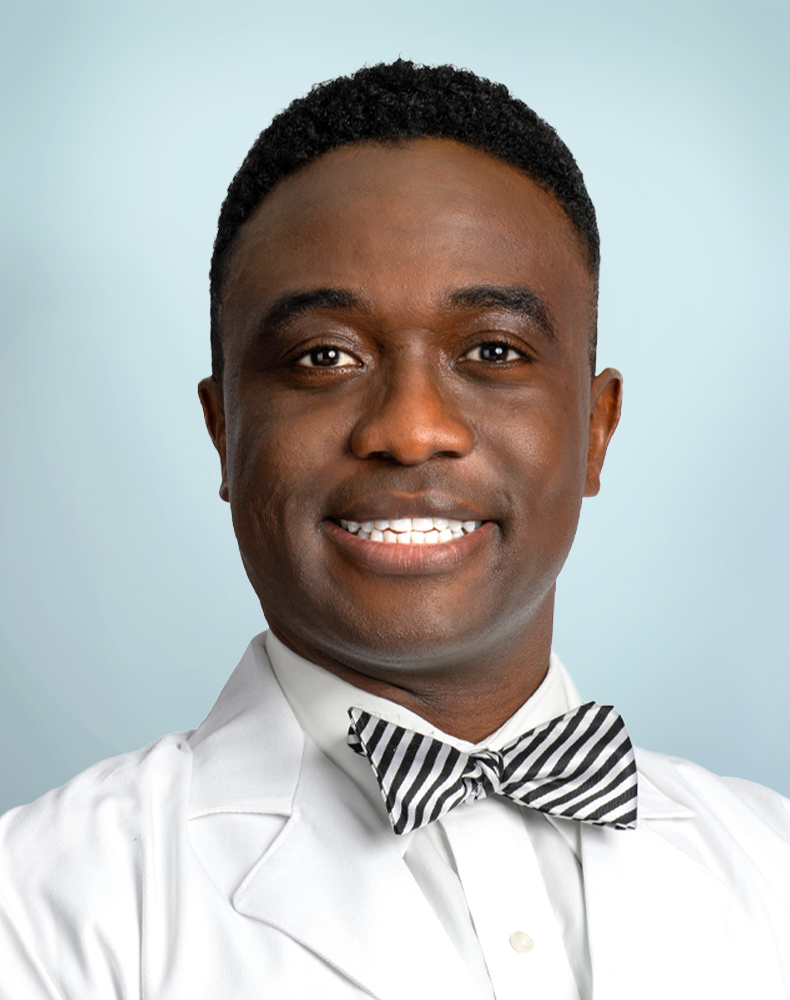 Norman Ajiboye, MD Neuro-Interventional, Vascular Interventional Neurology
 -
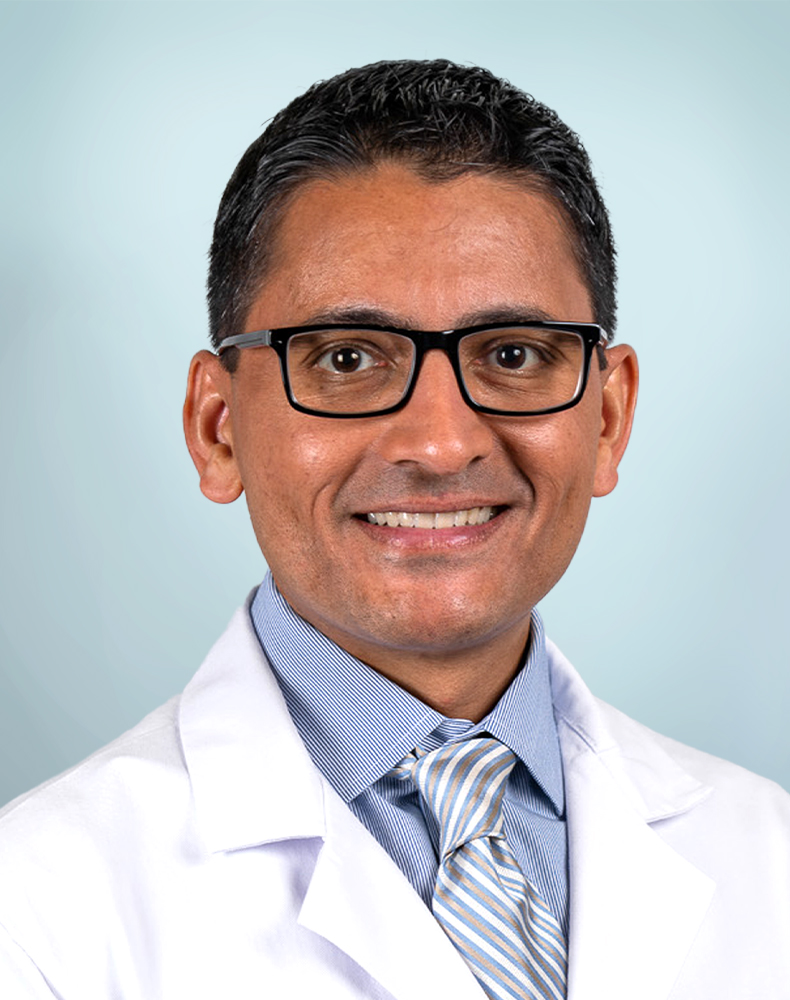 Brijesh Mehta, MD Neuro-Interventional, Vascular Interventional Neurology


